
J-CIE
Mission Capability Validation
Bringing systems, users and representative conditions together to build evidence and learning.
J-CIE, the BSS Joint Capability Integration Environment, supports experimentation, integration, training, testing and learning around representative mission workflows. It brings systems, information, communications and users together so the complete capability can be observed and improved.
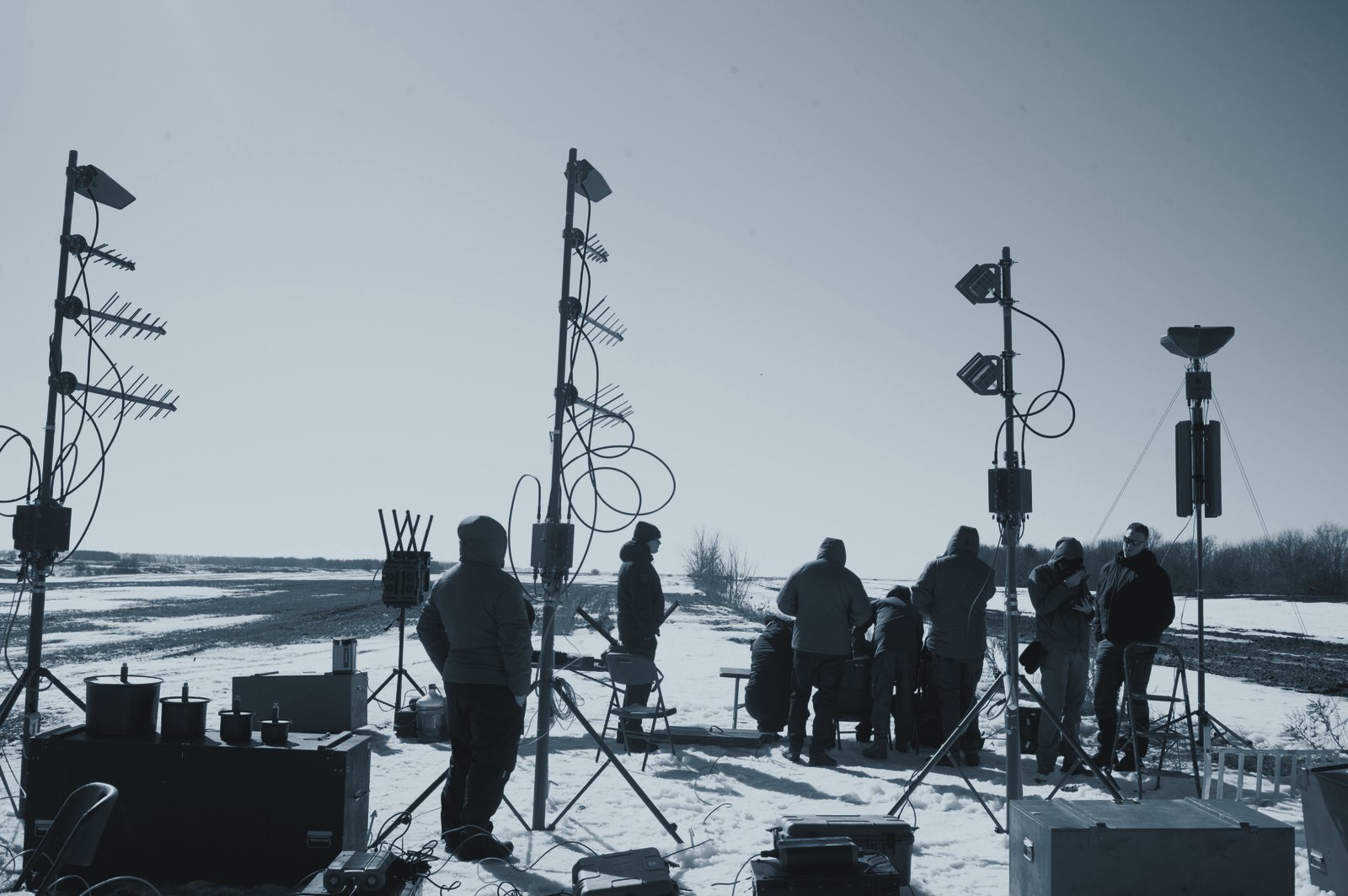
Evaluate the capability as it will be used
Individual technologies can meet their specifications while the combined capability still fails at an interface, within the workflow or under operational pressure. Confidence therefore requires more than component tests and successful demonstrations.
J-CIE is an environment for integrated activity
J-CIE is not only a training environment and not only a test facility. Its purpose is to provide a structured setting in which technology and people can be evaluated together against the operational need.
Activities can support early concept exploration, interface integration, operator and maintainer training, validation, red teaming, readiness assessment and the evaluation of proposed changes. The purpose of each activity is defined in advance so the evidence and conclusions remain appropriate.
From early experiments to findings that count
Experimentation reduces uncertainty early
Experimentation allows emerging technology, concepts and workflows to be explored before every requirement or design choice has been fixed. It can compare approaches, expose dependencies and identify incorrect assumptions before they become embedded in a larger programme.
Unexpected results and negative findings are valuable when they prevent risk from being carried into later integration, procurement or operational decisions. J-CIE supports controlled learning rather than a staged demonstration of success.
Integration before operational use
Systems from different suppliers may exchange data while still failing to support the complete mission workflow. J-CIE allows interfaces, applications, communications and user roles to be brought together before the capability is relied upon.
This can expose differences in data meaning, timing, authority, configuration or responsibility that component testing alone may not reveal. Findings return to engineering while change remains practical.
Training with the integrated baseline
Operators and maintainers need experience with the actual configuration, not only with individual products. J-CIE supports training that includes mission workflows, information exchange, system state, degraded behaviour, handovers, diagnostics and recovery.
Training activities can also generate engineering insight. Workarounds, unclear alerts, excessive workload and support gaps become observable and can be connected to the configuration and scenario in which they occurred.
Validation connects requirements to evidence
Validation asks whether the complete capability supports the intended operational need. J-CIE links representative activity to the requirements and architecture established during mission capability engineering.
Evidence can address information quality, timing, interface behaviour, user workload, command authority, communications, degraded operation, recovery and supportability. The exact scope depends on the decision the customer needs to make.
Representative scenarios create meaningful demand
Scenarios should reproduce the workflow, system interactions and pressures required to answer the defined questions without claiming to recreate every aspect of live operations.
They may include changing information, competing priorities, constrained communications, unavailable services, ambiguous observations, incorrect inputs, handovers or time pressure. Each condition is tied to an operational risk, training objective, requirement or readiness decision.
Red teaming provides structured critical challenge
Red teaming examines the capability outside its intended success path. It can introduce misleading information, dependency failure, unexpected system behaviour, operator overload or changing conditions within an agreed and safe scope.
This is broader than penetration testing or cybersecurity assessment. Specialist cyber testing may be included where authorised, but the wider purpose is to challenge technical, operational and human assumptions constructively.
Instrumentation turns activity into evidence
A useful evaluation captures more than whether a scenario appeared to succeed. Depending on the purpose, measurements may include message timing, availability, system state, track continuity, interface errors, operator actions, decision points, workload observations and recovery time.
Logs, technical measurements, observations and participant feedback are associated with the configuration and conditions in which they were produced. This makes findings interpretable and supports comparison after changes.
Findings return to engineering and training
J-CIE creates value when findings influence the capability. Observations can become engineering actions, configuration changes, revised procedures, training needs, support requirements or explicit decisions to retain a known limitation.
Not every issue requires a technology change. Some are better addressed through clearer responsibility, improved information presentation or targeted training. Material changes can then be re-evaluated proportionately.
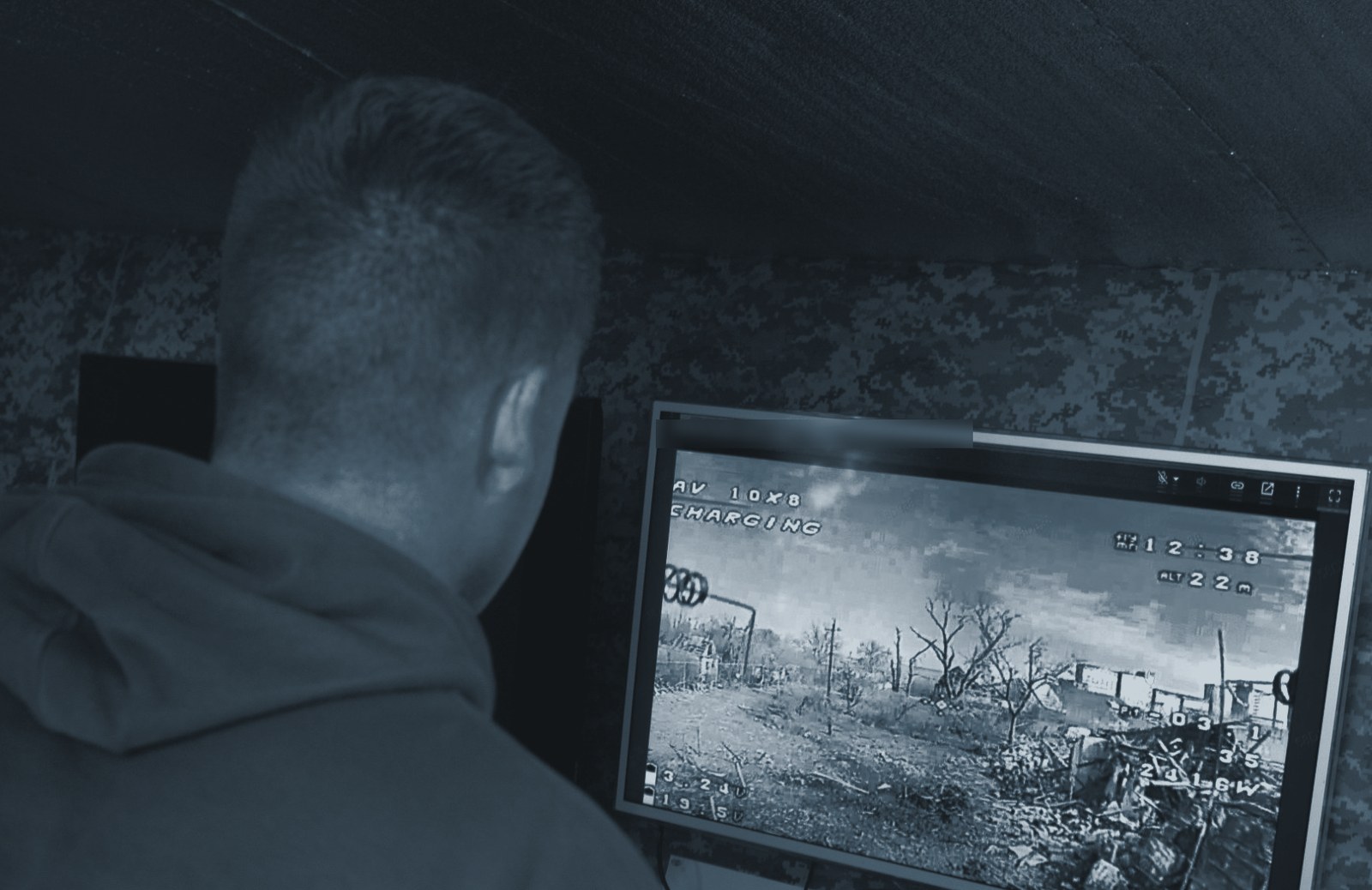
Orchard and Mycelium within the evaluation
Orchard provides mission context around roles, tasks and information needs. Mycelium supports prioritised exchange across the available communications environment. J-CIE evaluates how those elements, customer systems and user workflows behave together under defined conditions.
Together, the three TSEW elements connect mission context, connectivity, evidence and learning without replacing customer authority, formal acceptance or certification processes.
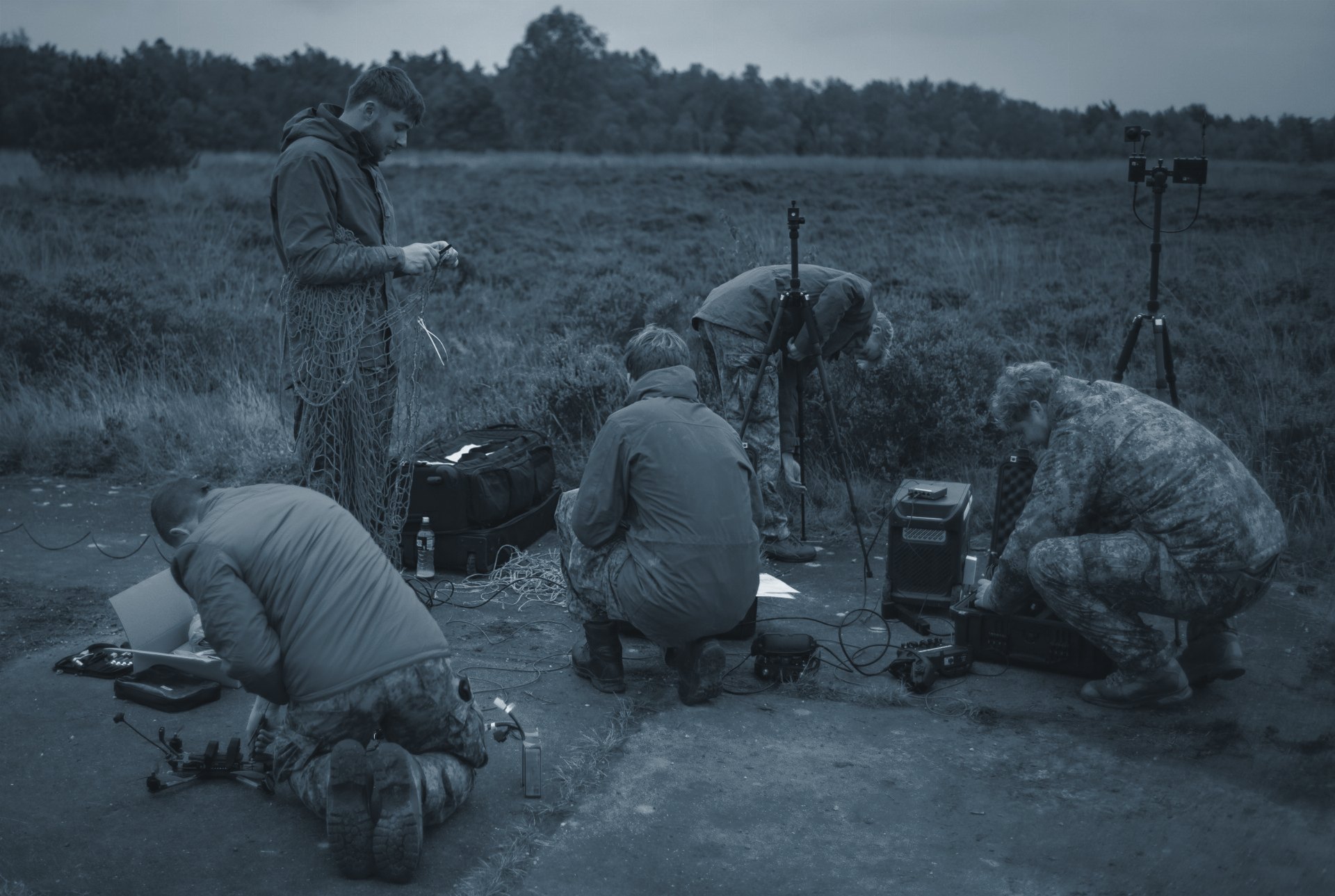
Evidence with clear boundaries
J-CIE does not prove that a capability can never fail. It establishes what was observed, which configuration and conditions were assessed, where limitations remain and what actions are required before use, scale or further investment.
This gives decision-makers a stronger basis for adoption, gives engineers a clearer route for improvement and gives users a better understanding of normal, degraded and recovery behaviour.
Together we solve tough problems
Bring us the operational problem. We bring the systems, the integration and the team to prove it in the field.