
Capabilities
Engineering the connections between systems, people and operations
BSS capabilities cover the engineering and integration work required to turn separate technologies and requirements into something that can be used as part of a mission.
The individual areas below are connected. A tactical-edge architecture may depend on resilient communications. Autonomous systems may depend on sensor and data integration. All of them may need experimentation, validation, training and support.
Edge architecture
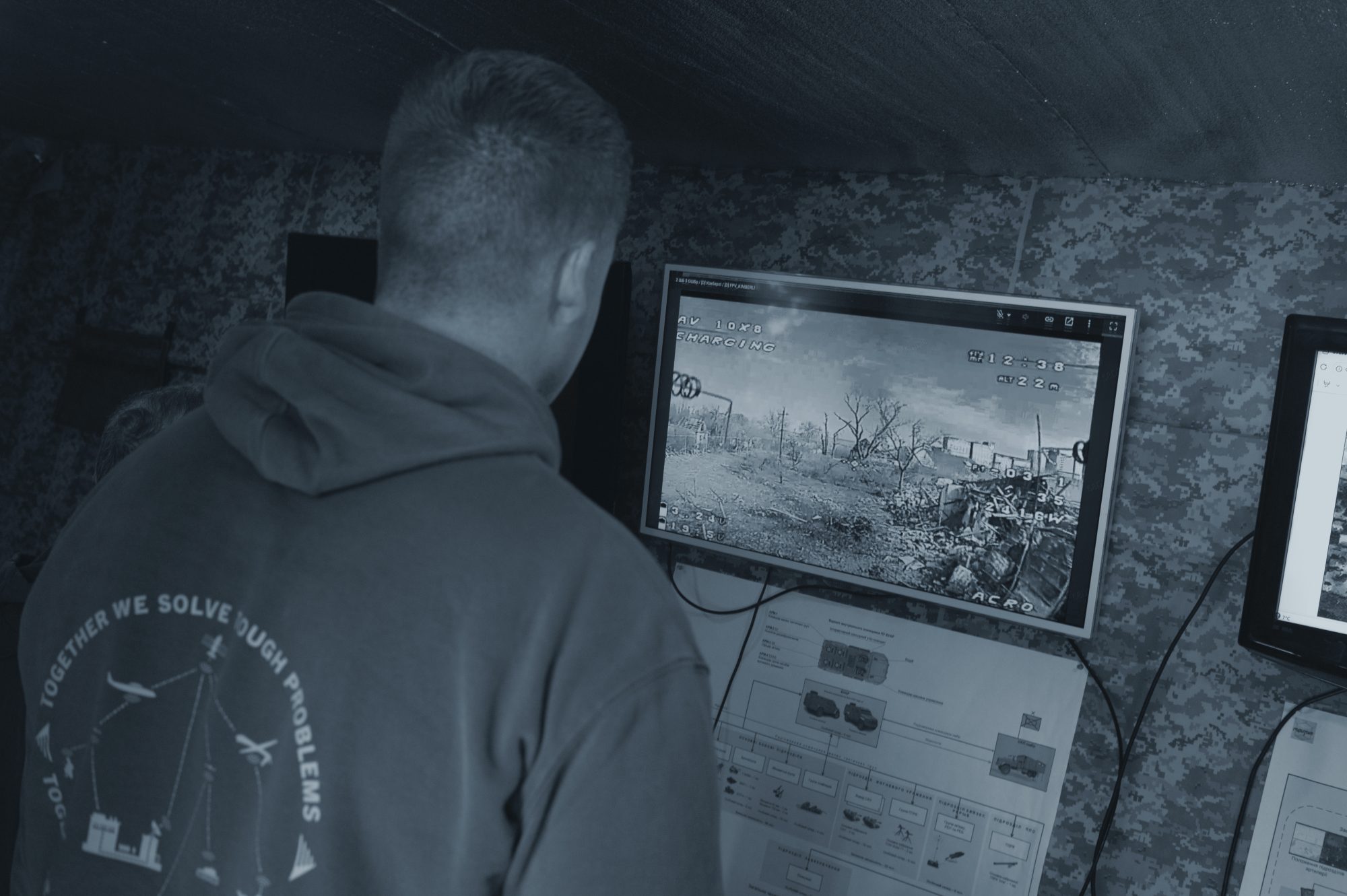
Engineering capability for the point where the mission happens
At the tactical edge, the assumptions normally made about a connected environment may no longer hold. Networks can be limited or disrupted, systems can be distributed, and users may need to operate with incomplete information.
BSS works on architectures that account for these conditions from the beginning. This includes how systems communicate, how information moves between them, where processing takes place, and how the capability remains usable for the operator.
The goal is not to create a separate technical environment simply because the mission is at the edge. It is to make the edge part of the wider capability.
Sensors & data
Connecting sensing with understanding
Sensors provide observations. Operational value comes from what an organisation can do with those observations.
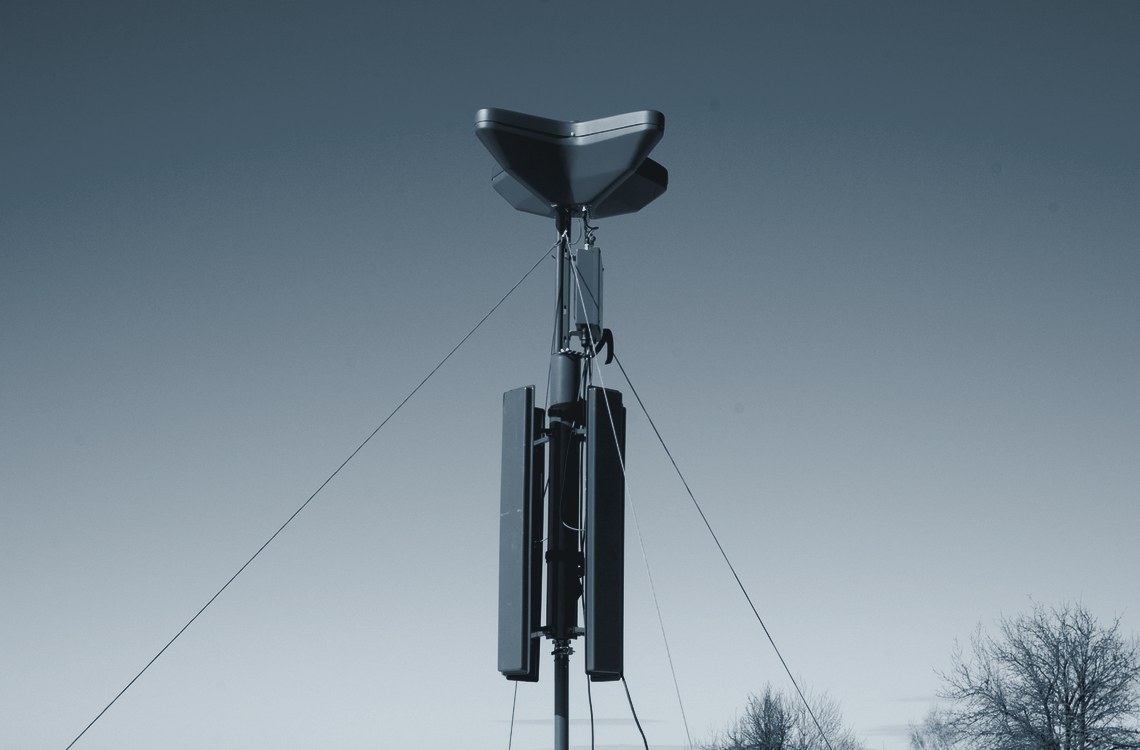
BSS works on the integration between sensors, data sources, information systems and the users who need the resulting information. This can include bringing different sources together, establishing information flows and connecting sensor data to wider applications and operational workflows.
The focus is on the complete information chain: from collection, through processing and exchange, to the point where information supports a task or decision.
- Collection
- Processing
- Exchange
- Decision
Unmanned systems
Making uncrewed systems part of the mission
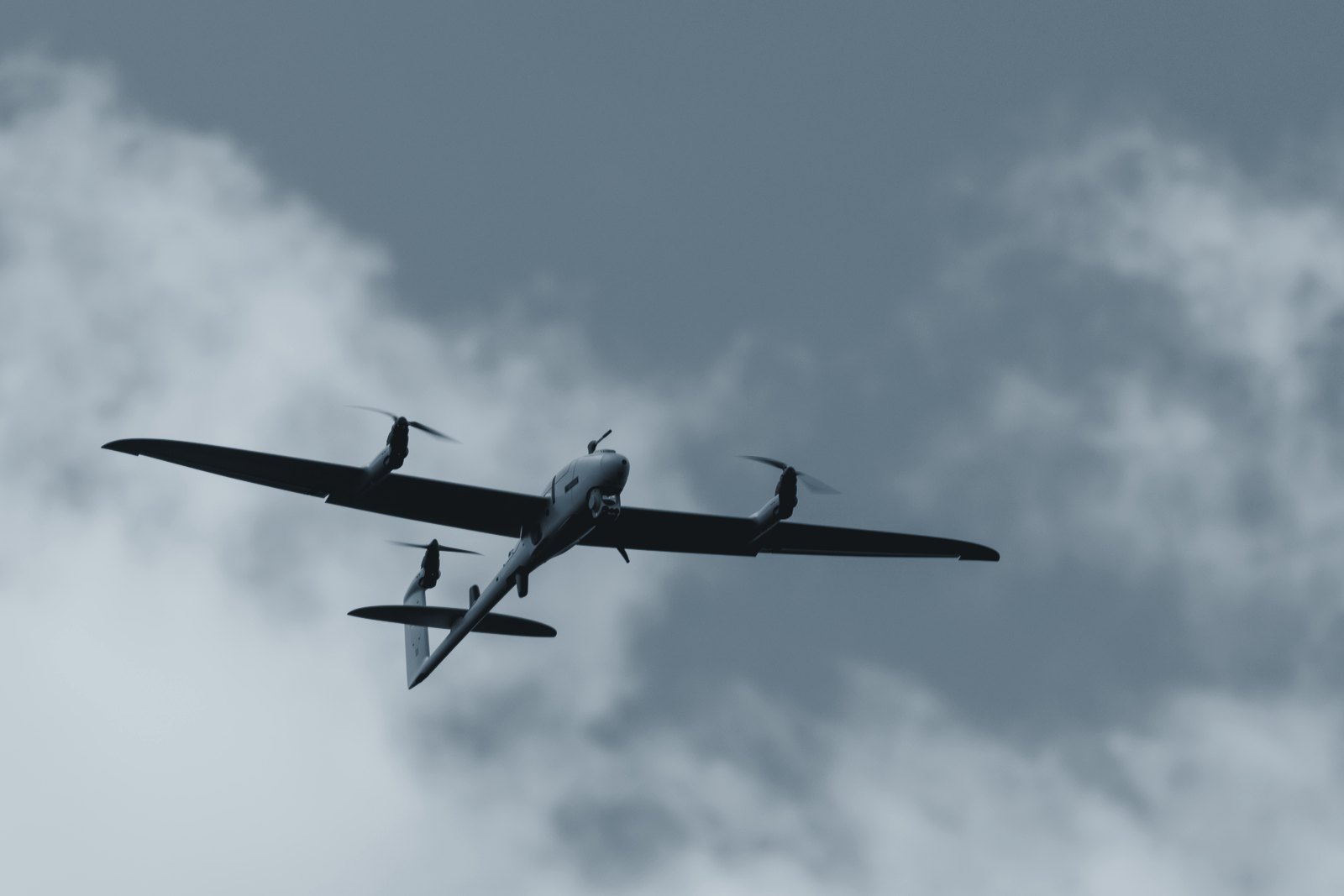
Unmanned and uncrewed systems can provide capabilities without putting a person on the platform itself. Their operational value depends on how well they connect to the people, systems and information around them.
BSS works on integrating uncrewed systems into wider command, information and operational workflows. This includes considering how the system is tasked, what information it produces, how that information is shared, and how the operator interacts with the wider capability.
UAV / UAS
Uncrewed aerial vehicles and systems.
UGV / UGS
Uncrewed ground vehicles and systems.
USV / USS
Uncrewed surface vehicles and systems.
UUV / UUS
Uncrewed underwater vehicles and systems.
Counter-UAS
Integrating detection, information and response
Counter-UAS capability involves more than detecting an unmanned aircraft. Relevant information needs to move between sensors, information systems and the people responsible for understanding and responding to the situation.
BSS focuses on the integration of these elements. This can include sensor integration, information flows, communications and the operational processes around them.
The objective is a capability in which the different parts support a coherent response rather than operating as separate systems.
Resilient communications
Keeping mission-critical information moving
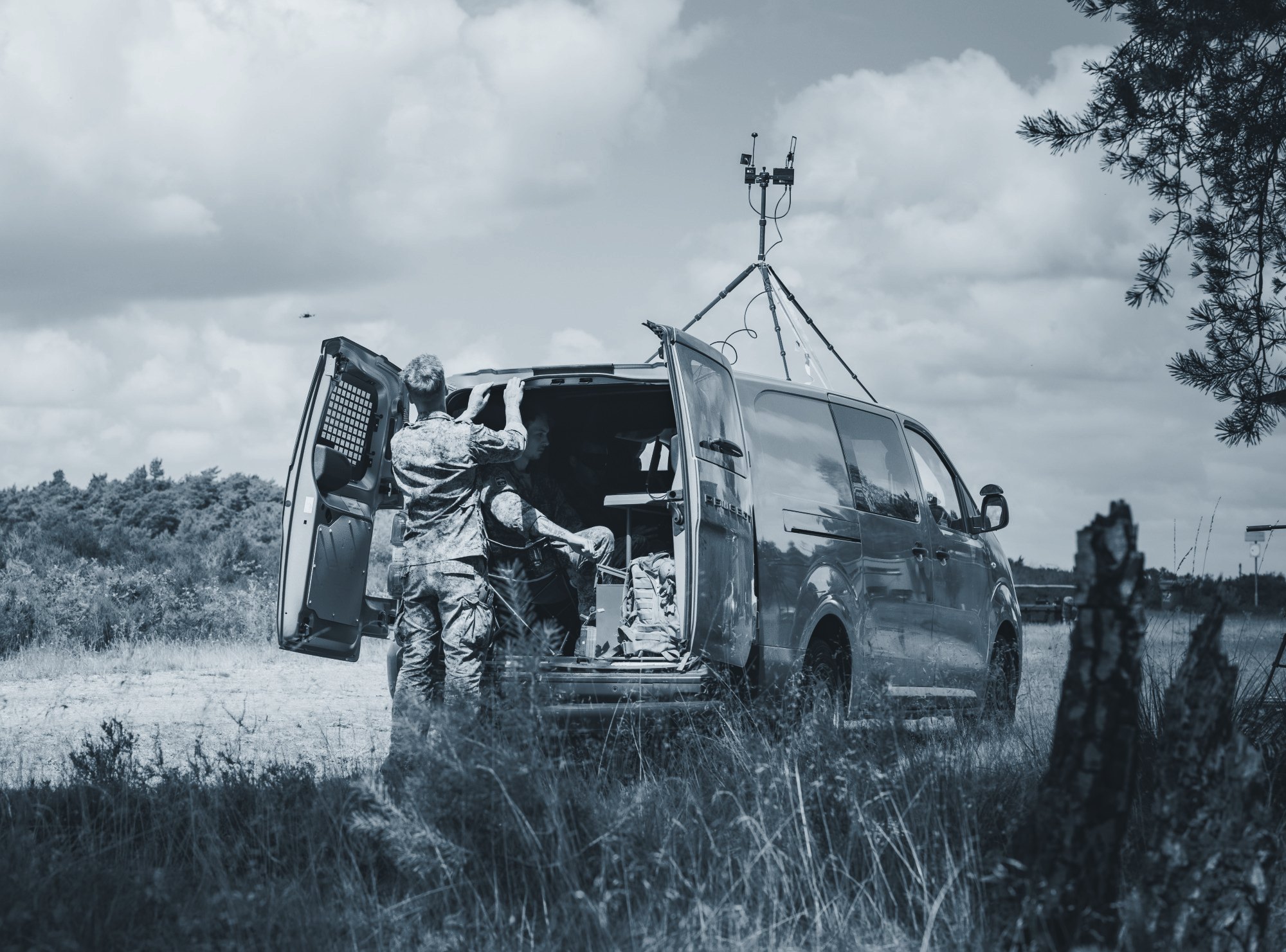
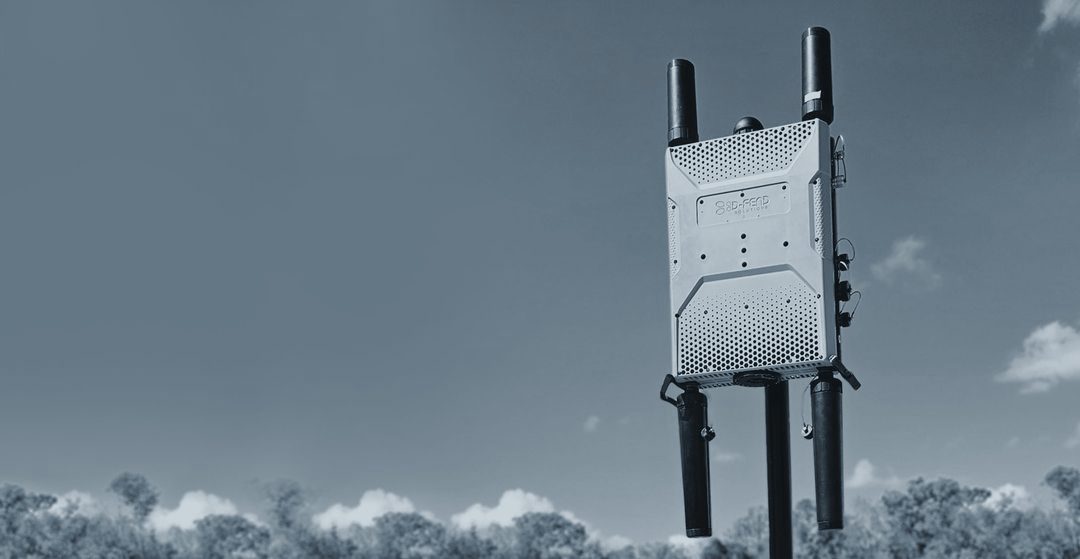
Operational communications can involve multiple networks, different technologies and changing conditions. Bandwidth, availability, latency and other constraints can affect what information can be exchanged and when.
BSS works on communications and information architectures that take these conditions into account. This includes looking at how information is prioritised, how different networks can contribute to the mission, and how the system can continue to support users when the preferred communications path is unavailable or degraded.
The technical complexity should be handled by the architecture wherever possible, rather than becoming another task for the operator.
AI decision support
Using AI where it helps people make sense of information
AI can process information at a scale or speed that is difficult to achieve manually. In an operational environment, however, the value of AI depends on how it fits into the wider workflow.
BSS looks at the integration of AI-based decision support with the information, systems and users that surround it. This includes understanding what information the system needs, how outputs are presented, where human judgement remains important, and how the capability can be tested under representative conditions.
The objective is practical decision support: using advanced technology to help people work with complex information without creating a new layer of unnecessary complexity.
Operational support
Capability continues after integration
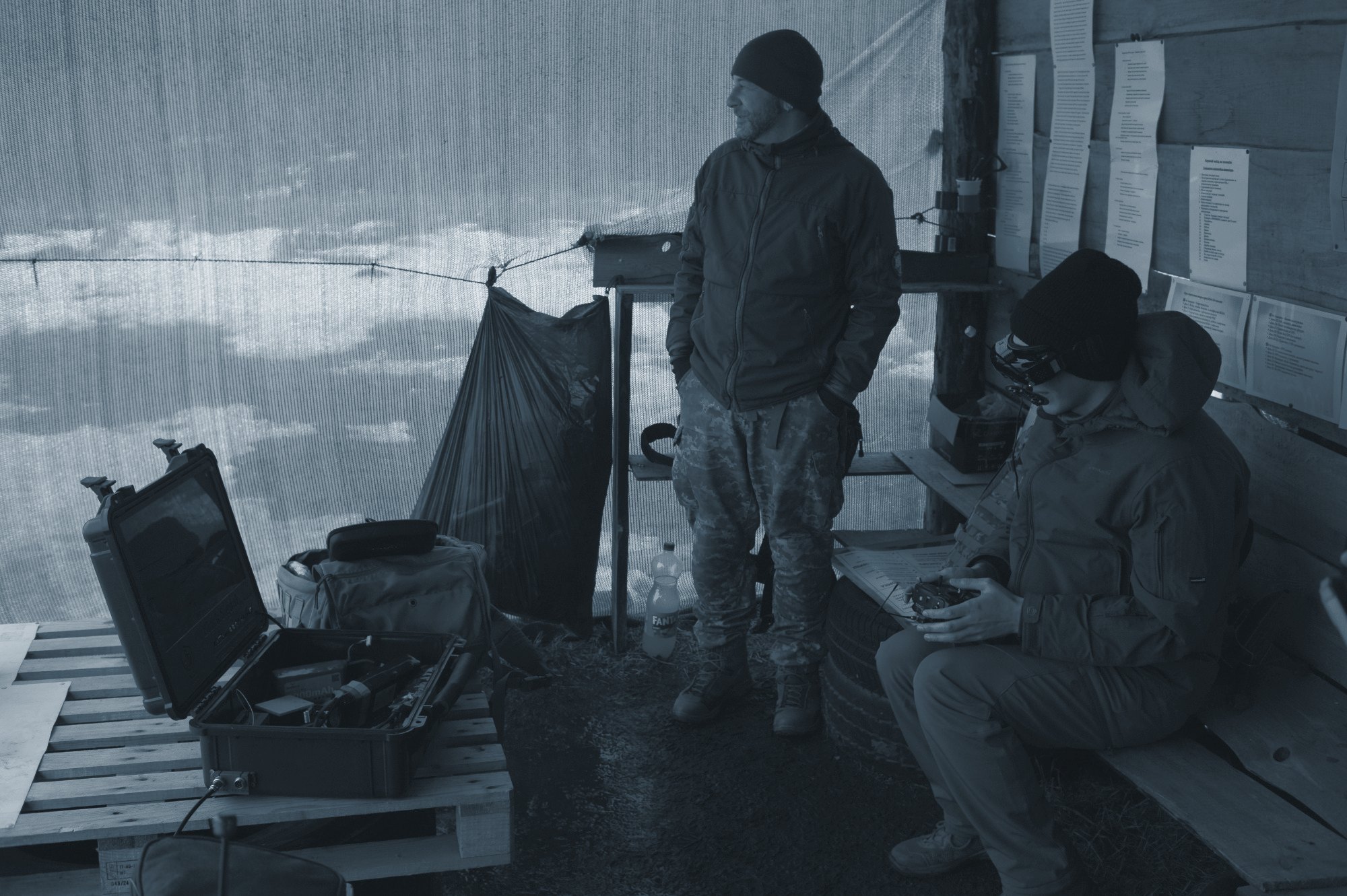
A capability is not finished when the systems are connected or the initial deployment has taken place. People need to understand how to use it, support structures need to be in place, and lessons from operation need to reach the teams responsible for improving it.
BSS supports this part of the lifecycle through training, support, feedback and lifecycle planning.
The aim is to maintain readiness while giving the organisation a way to learn from actual use and make informed improvements.
TSEW
A framework for integrated mission capability
TSEW — Tactical Sensors-to-Effects Web — provides the BSS framework for connecting the operational requirement to the systems, information, connectivity and validation activities needed to achieve it.
It starts with the desired mission outcome and the people responsible for achieving it. From there, the framework considers the information they need, the systems that produce and use that information, the connectivity required to move it, and the testing and learning needed to improve the result.
TSEW is therefore a way of keeping the complete capability in view while individual technologies and engineering activities are being developed.
- Mission outcome
- People
- Information
- Systems
- Connectivity
- Testing & learning
Together we solve tough problems
Bring us the operational problem. We bring the systems, the integration and the team to prove it in the field.